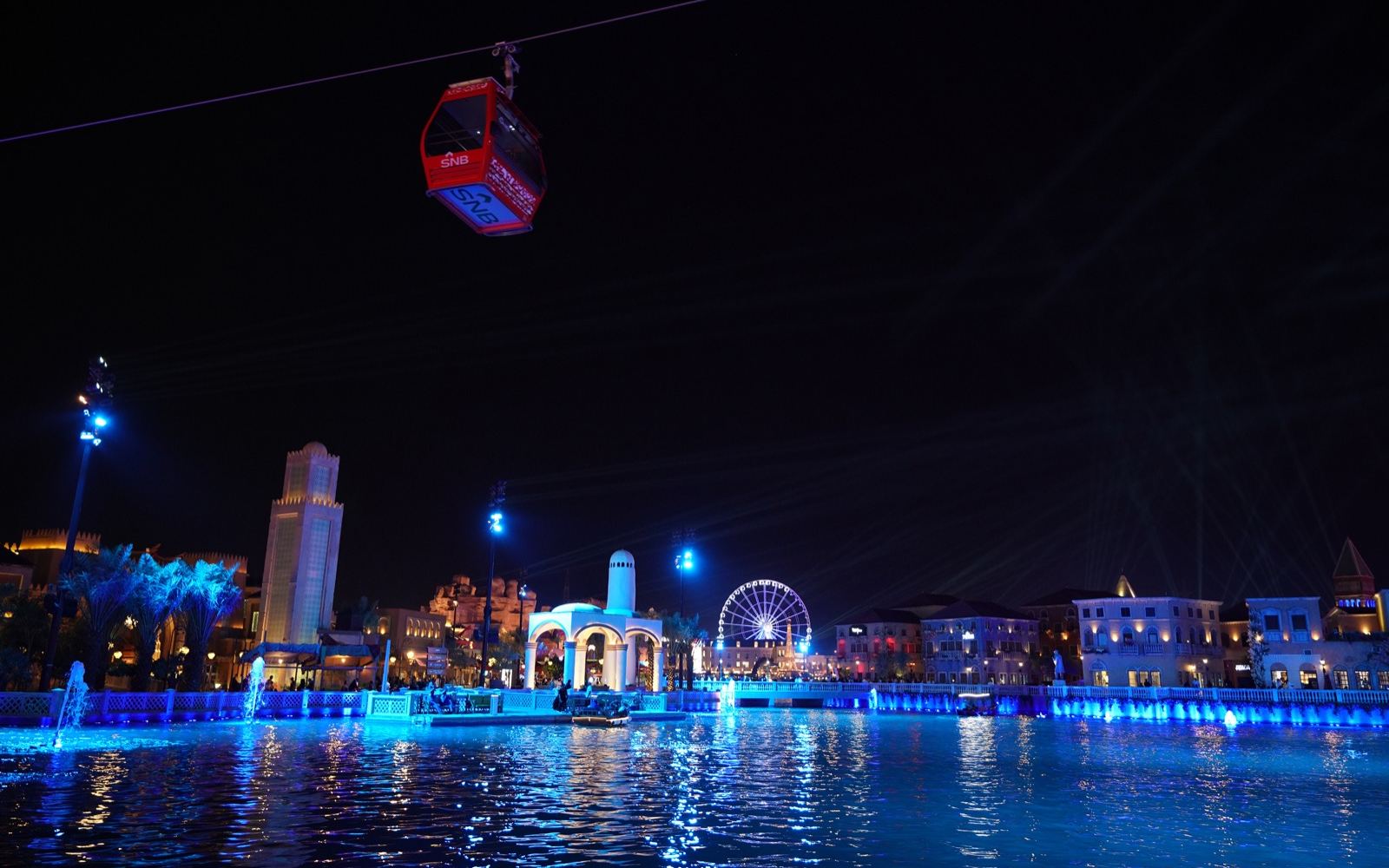
By the holidaysaudi.com team · Updated 16 October 2026
For years, the honest answer to "is Saudi Arabia safe?" was a fairly reassuring one: street crime is low, visitors are treated with courtesy, and the main risks are the heat and the roads. In the autumn of 2026 that answer needs an important addition. Missile and drone attacks launched from Yemen have targeted sites in the kingdom, including airports, and several governments have tightened their travel advice. This article explains the current situation first, then the everyday safety picture that still applies once the regional situation calms down.
The current situation (October 2026)
Since 13 July 2026, the Houthis, a military group in Yemen, have launched missiles and drones at locations in Saudi Arabia. Governments point to a heightened threat against airports, military sites, ports and energy infrastructure, naming cities including Riyadh, Jeddah, Dammam, Yanbu, Abha, Jizan and Najran, as well as shipping in the Red Sea. On 10 October 2026 there was a serious incident at King Khalid International Airport in Riyadh.
- United Kingdom: on 16 October 2026 the Foreign, Commonwealth & Development Office (FCDO) advised against all but essential travel to the whole of Saudi Arabia, and against all travel within 10 km of the border with Yemen.
- United States: the State Department rates Saudi Arabia at Level 3, "Reconsider travel", with the Yemen border area at Level 4, "Do not travel".
- Flights: official advice warns that further attacks on airports, disruption and cancellations are likely. Check your flight status before going to the airport.
In practice, this means a holiday is not "essential travel" in the eyes of the UK government right now. Postponing is the sensible choice for most leisure travellers. If you already have bookings, ask your airline and hotels about free changes, and keep an eye on official updates.
Travel insurance and official advice
This is the point many travellers miss: travelling against your government's advice can invalidate your travel insurance, including the medical part. The basic medical cover included with the Saudi eVisa is separate, but it is limited and does not cover cancellations or evacuation. Before you buy any policy, read what it says about government warnings. Compare policies on VisitorsCoverage and see our travel insurance guide.
If you are already in Saudi Arabia
- Follow instructions from the Saudi authorities. Saudi Civil Defence may send early-warning alerts to phones in affected areas.
- If you are told to take shelter, stay indoors, away from windows. The greatest risk is from falling debris after interceptions.
- Stay away from military sites, oil and energy facilities, and do not film or share images of incidents.
- Register with your embassy's alert service and keep your passport, phone charger and essential medicines ready.
- Keep plans flexible. Some governments suggest land routes to neighbouring countries as an alternative if flights are disrupted.
Everyday safety
Away from the regional conflict, Saudi Arabia has long been one of the safer countries in the world for visitors when it comes to crime. Violent crime against tourists is rare, cities are well policed and many visitors are struck by how often strangers offer help, directions or a cup of coffee. Petty theft does happen in crowded souqs and at events, so keep an eye on your phone and wallet as you would anywhere.
The biggest everyday danger is the road. Driving can be fast and aggressive, especially on city highways, and accident rates are high by European standards. If you hire a car, drive defensively, avoid night driving in the desert, where camels may wander onto the road, and never go off-road without a proper 4x4 and local knowledge. Compare cars on DiscoverCars and read our car hire guide.
The heat is the other real risk. From May to September, daytime temperatures in Riyadh regularly pass 45°C. Carry water, rest at midday, and plan outdoor sightseeing for early morning and evening.
Laws to take seriously
Saudi law differs in important ways from what many visitors are used to, and penalties can be severe.
- Drugs: penalties are extremely strict, including for small amounts. Carry prescriptions for any medicines you bring.
- Alcohol is illegal for visitors, and you may not bring it into the country.
- Social media: posts that criticise the state, its leaders or religion, including old posts, can lead to arrest. Think before you post.
- Photography: do not photograph government buildings, military sites or people (especially women) without permission.
- Relationships: same-sex relationships are illegal. Public displays of affection are frowned upon for everyone.
- Religion: non-Muslims may worship privately, but preaching is forbidden. Non-Muslims may not enter Makkah.
Dress and behaviour rules are more relaxed than they once were; see our guide on what to wear in Saudi Arabia.
Women travellers
Since 2019, women can travel independently, check into hotels alone and drive. Foreign women do not have to wear an abaya or cover their hair outside mosques, though modest clothing is expected. Many women travelling solo report feeling safe and treated with respect. Unwanted attention does occur occasionally; a firm response and moving to a busier place usually ends it. Families and women-only sections still exist in some restaurants and queues.
Plan your Saudi trip
Visa, hotels, tours and transport in one place.
Frequently asked questions
Is it safe to travel to Saudi Arabia right now?
As of mid-October 2026, the UK advises against all but essential travel to Saudi Arabia and the US advises travellers to reconsider travel, because of missile and drone attacks from Yemen that have targeted airports and infrastructure. Most leisure travellers should postpone and check official advice for updates.
Will my travel insurance cover me if I go?
Possibly not. Many policies are invalidated if you travel against your government's advice. Check your policy wording before you book; the medical cover included with the eVisa is limited and separate.
Is Saudi Arabia safe for solo female travellers?
In normal times, yes for most visitors: women can travel alone, stay in hotels alone and drive, and crime against tourists is rare. Dress modestly, and use registered taxis or ride-hailing apps at night.
What is the emergency number in Saudi Arabia?
911 is the unified emergency number in most regions. You can also call 999 for police, 997 for an ambulance and 998 for civil defence.
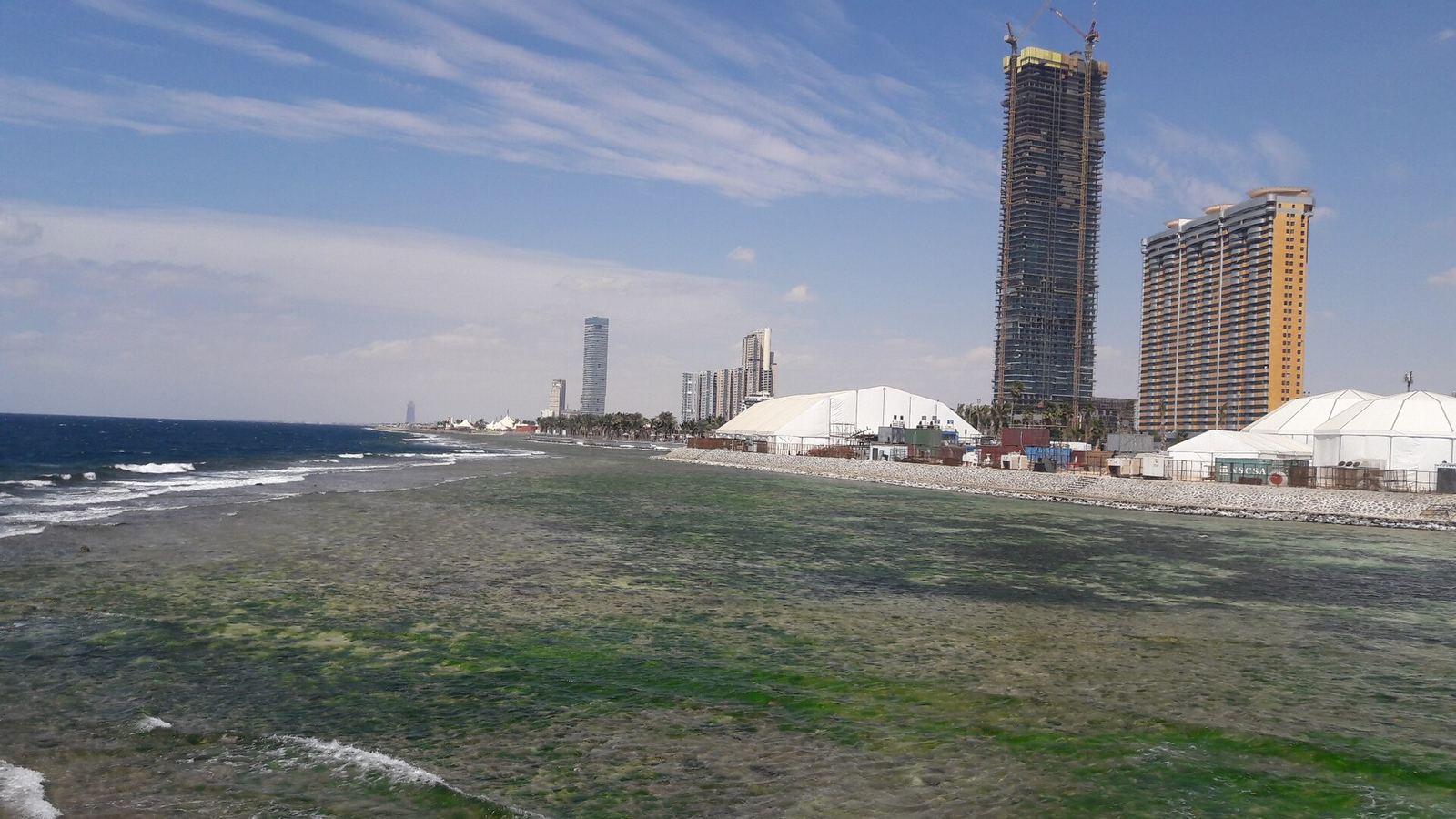
Header photo: Photo: Humanized, CC0
Some links on this page are affiliate links. If you book through them we may earn a small commission at no extra cost to you. Learn more.