- AreaCentral Najd plateau, Riyadh Province
- Best forCulture, food, events, first-time visitors
- Time2–4 days
- TipSightsee early or after sunset; midday is for museums and malls
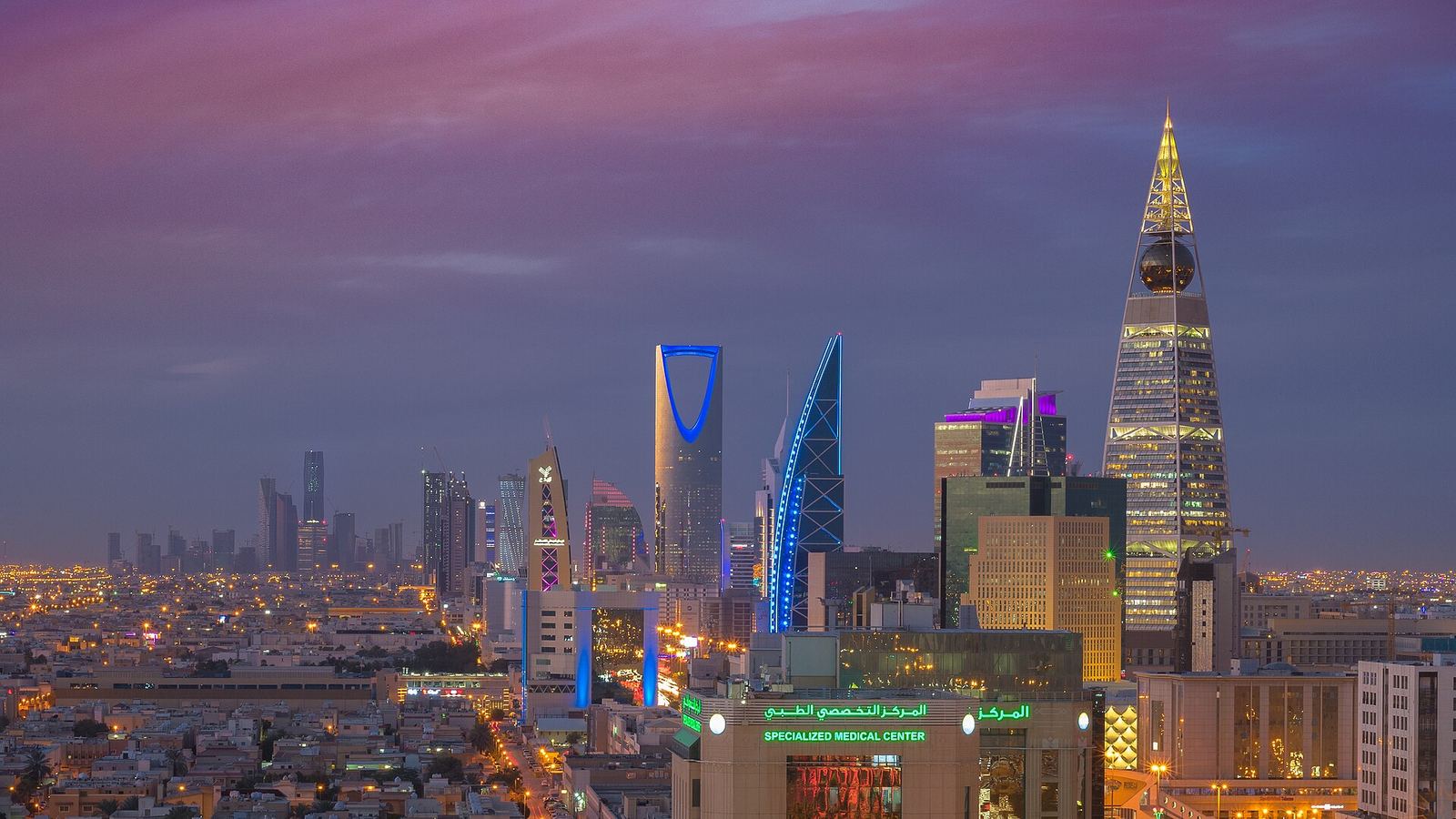
Riyadh is the political and business heart of Saudi Arabia, home to more than seven million people and changing at a remarkable pace. For visitors it works on two levels: a historic core of mud-brick forts and souqs that tells the story of the modern Saudi state, and a fast, futuristic city of towers, boulevards and huge entertainment districts. Most international trips touch Riyadh at some point, and it rewards a few unhurried days.
Historic Riyadh
Start in the old centre around Al Deerah. Masmak Fort, the clay-and-mud-brick citadel stormed by the young Abdulaziz Al Saud in 1902, is the symbolic birthplace of the Kingdom and now a small museum. A short walk away, Souq Al Zal sells carpets, incense, antiques and traditional cloaks, and Deerah Square comes alive in the evening. Allow half a day for the National Museum in the King Abdulaziz Historical Center, which walks you from Arabia's geology and early kingdoms through the arrival of Islam to the unification of the country.
The cradle of the first Saudi state lies on the city's north-western edge: Diriyah and its UNESCO-listed At-Turaif district are about 20–30 minutes by car from the centre and best visited in the late afternoon.
Modern Riyadh
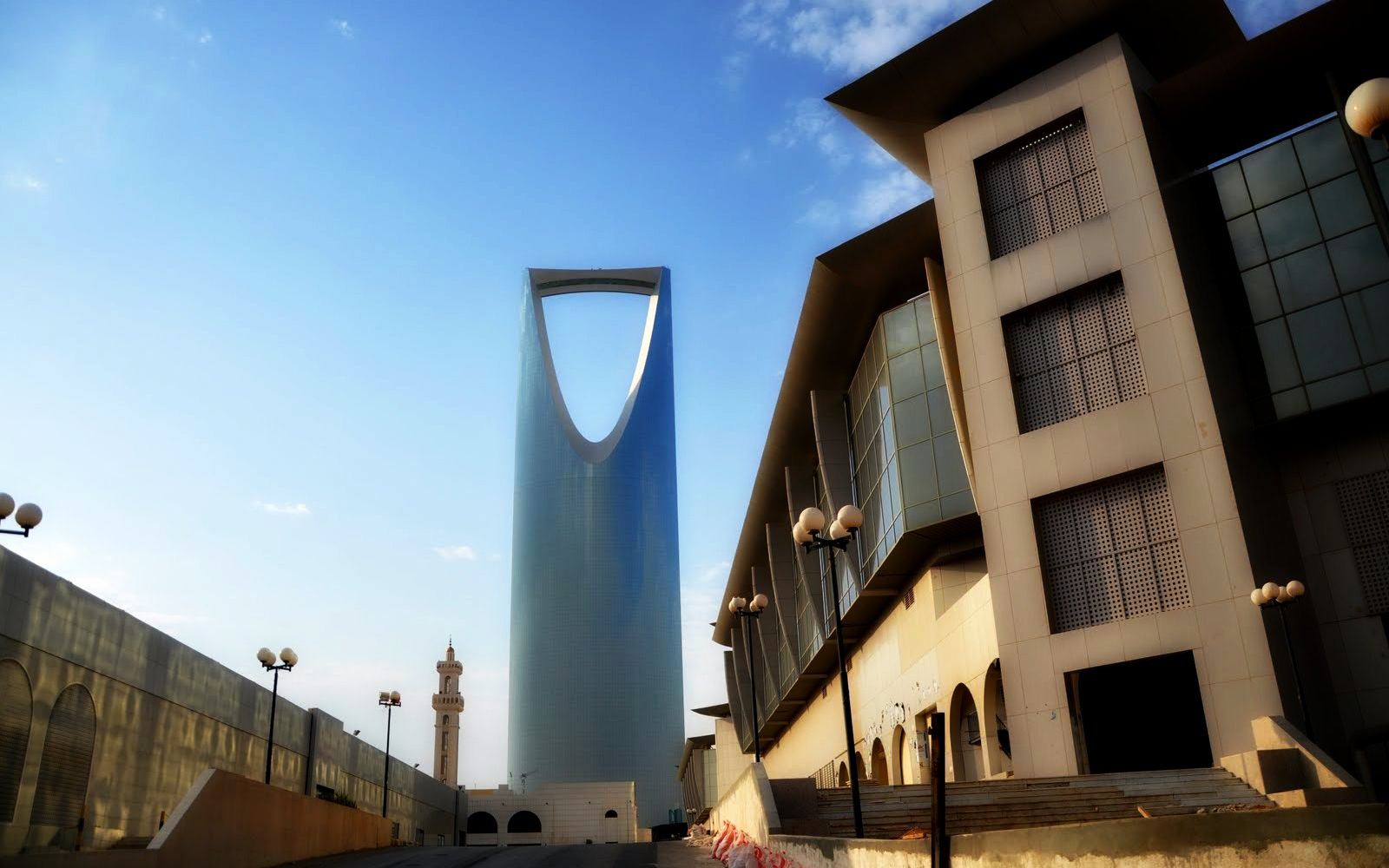
The skyline is defined by the Kingdom Centre, whose Sky Bridge 300 metres up gives the classic view over the city, especially at sunset. The King Abdullah Financial District (KAFD) is worth a wander for its architecture, and Boulevard City and Boulevard World are the main hubs of Riyadh Season, the huge entertainment festival that usually runs from autumn into early spring with concerts, food halls and themed zones.
Day trips from the capital
The most famous excursion is the Edge of the World (Jebel Fihrayn), a dramatic escarpment roughly 90 km north-west of the city. The final stretch is a rough desert track, so go with a 4x4 and an experienced driver or join a guided trip: see Edge of the World tours. Red-sand dunes for quad biking and camel rides lie east of the city, and Al-Ahsa is reachable by train for a longer outing.
Getting around
The Riyadh Metro opened in phases between 1 December 2024 and 5 January 2025: six lines and around 85 stations covering 176 km, including a line to King Khalid International Airport and stations at KAFD and the National Museum. Tickets are sold in the Darb app and at stations. Metro coverage is good for the centre and north, but taxis and ride-hailing apps remain the easiest way to reach Diriyah or the Boulevard after dark. If you want to drive out to the desert, compare car hire in Riyadh, and read our getting around guide.
Where to stay and eat
Olaya and the area around Kingdom Centre and Al Faisaliah suit first-time visitors: central, close to metro lines and full of restaurants. The diplomatic quarter and KAFD are quieter and greener, while hotels near Diriyah are ideal for an evening at Bujairi Terrace. Compare Riyadh hotels. Try traditional Najdi dishes such as kabsa, jareesh and margoog, and don't miss Saudi coffee with dates; our Saudi food guide explains what to order.
Tours: Riyadh
Compare guided trips, transfers and tickets.
Frequently asked questions
How many days do I need in Riyadh?
Two full days cover Masmak Fort, the National Museum, Kingdom Centre and an evening in Diriyah. Add a third day for the Edge of the World or Riyadh Season.
Is the Riyadh Metro useful for tourists?
Yes. Since January 2025 all six lines are running, linking the airport, Olaya, KAFD and the National Museum area. For Diriyah and late evenings, taxis or ride-hailing are often easier.
When is the best time to visit Riyadh?
November to March, when days are warm rather than scorching. This is also when Riyadh Season and many outdoor events usually take place.
Some links on this page are affiliate links. If you book through them we may earn a small commission at no extra cost to you. Learn more.