By the holidaysaudi.com team · Updated 12 September 2026
Few travel questions about Saudi Arabia come up as often as this one, and much of the advice online is out of date. Before tourist visas were introduced in 2019, foreign women were generally expected to wear an abaya in public. That is no longer the case. Today the rule for visitors of both sexes is simple: dress modestly, and respect the places you visit. This guide explains what that means in practice, from city streets to mosques and the desert.
The rules since 2019
When Saudi Arabia opened to tourists in September 2019, it also published public decency regulations. They ask men and women to wear modest clothing in public places and prohibit clothing with offensive images or slogans. Breaking the rules can, in theory, lead to a fine, although in practice visitors who are dressed sensibly have nothing to worry about. The key points:
- Abayas are not mandatory for foreign women. Many visitors bring one anyway because it is practical, cool and lets them blend in, but it is a choice.
- Headscarves are not required for non-Muslim women, except when entering a mosque.
- Shoulders and knees should be covered by women and men in public places such as malls, souqs, museums and government buildings.
- Tight, sheer or very short clothing is best avoided, as is anything with slogans or images that could cause offence.
What women can wear
Think loose and long. Wide-leg trousers, midi or maxi skirts and dresses, and tops with sleeves that reach at least the elbow work well everywhere. Light layers in linen or cotton are more comfortable in the heat than shorts and vest tops would be anyway. A long, loose shirt or kimono over trousers is an easy way to adapt an outfit.
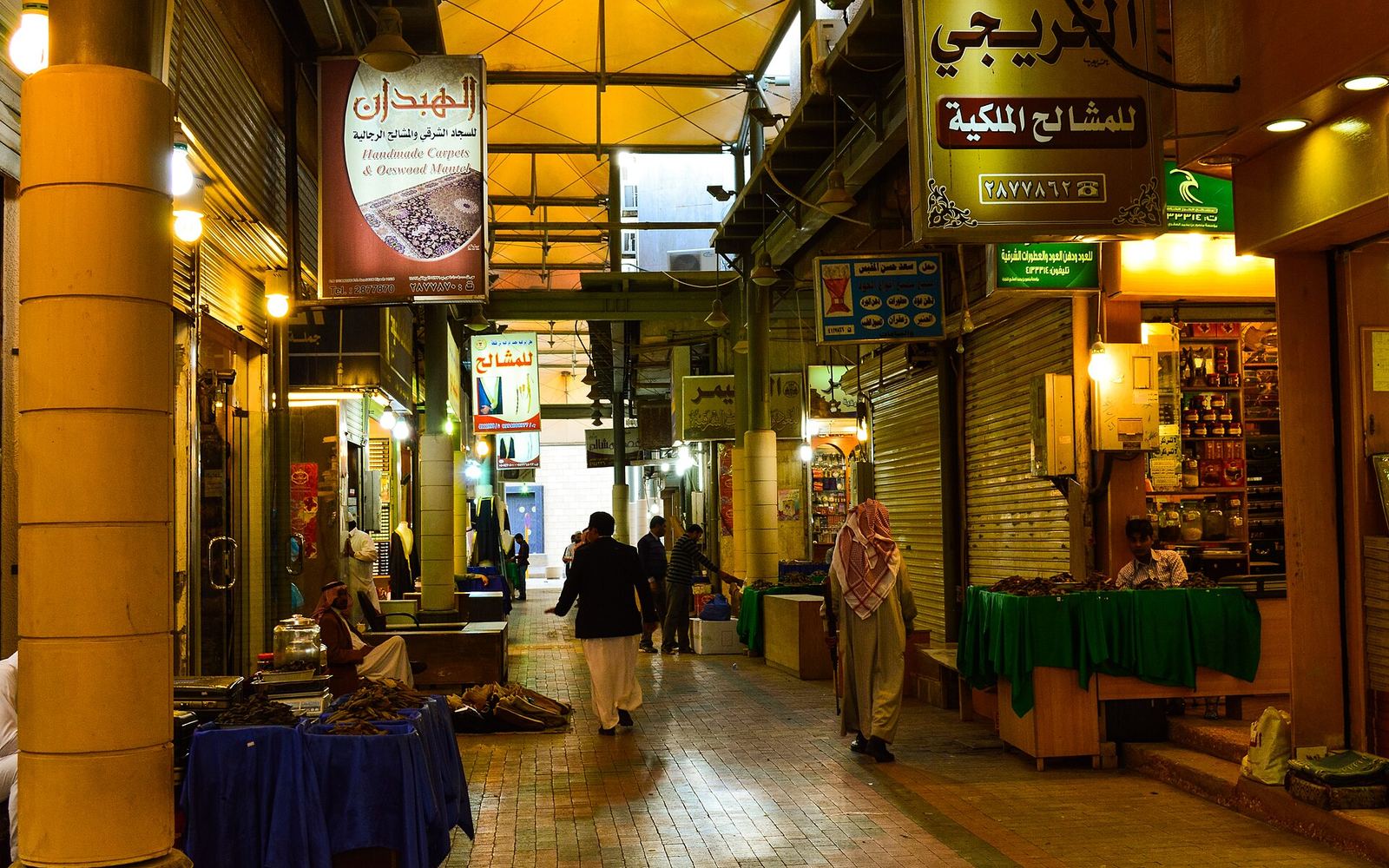
Rules are more relaxed in some places. At international hotel pools and private beach clubs, and at resorts on the Red Sea coast, swimwear is normal. In parts of Riyadh's entertainment districts and at big events you will see a wide range of styles. Further from the big cities, and in conservative towns, a more covered look is a sign of respect.
What men can wear
Long trousers and a T-shirt or shirt are the safe choice for men. Knee-length shorts are now seen in malls and on the street in the big cities, but they still look out of place in government offices, mosques and traditional areas, and outside the cities. Avoid going shirtless anywhere except the beach or pool, and skip tank tops in town.
You will see many Saudi men in a thobe (the long white or, in winter, darker robe) with a ghutra or red-checked shemagh on the head. Visitors are welcome to wear one, and many buy a thobe as a souvenir.
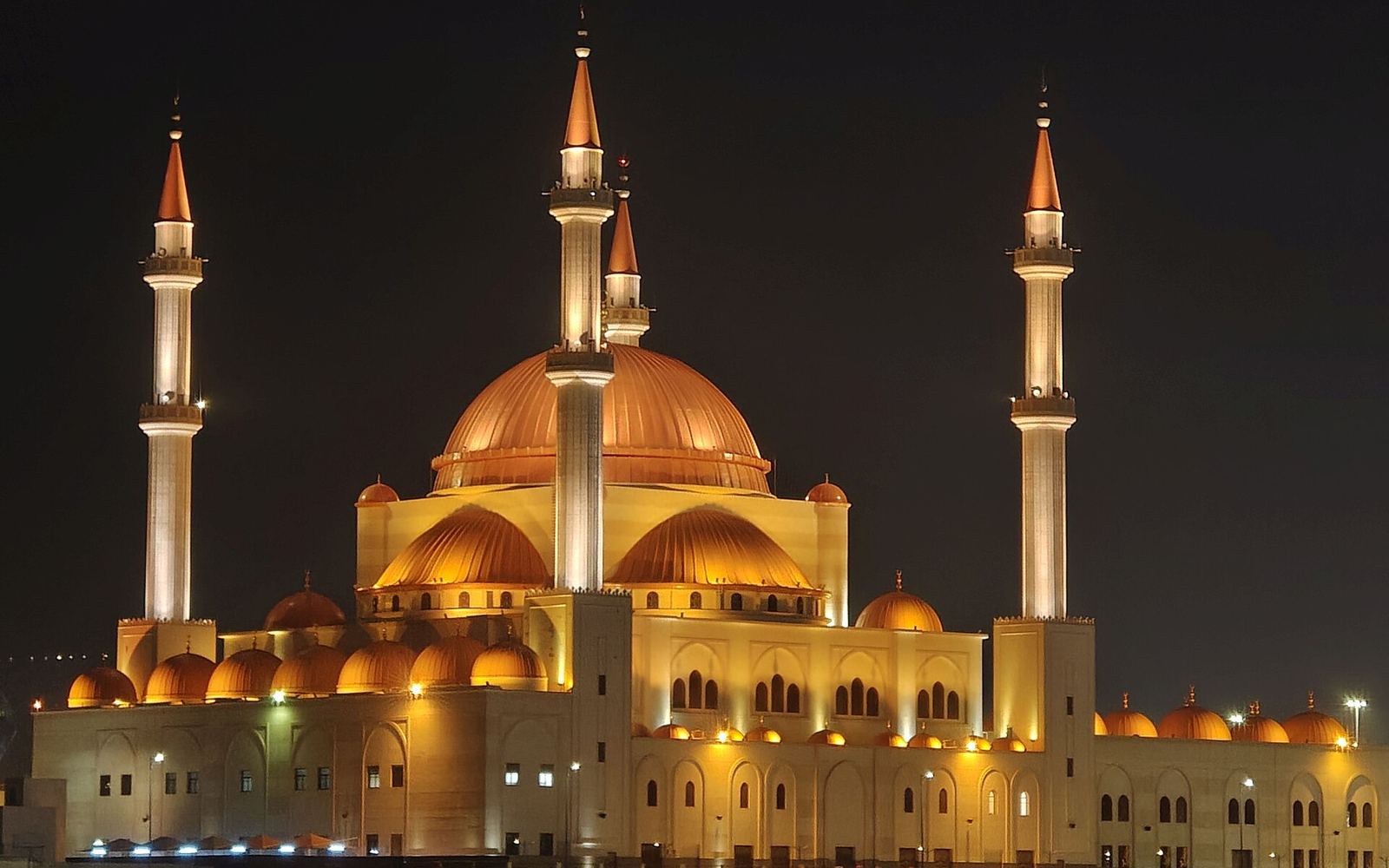
Visiting mosques
Some mosques welcome visitors outside prayer times, but not all do, so ask first or join a guided visit. When you go in:
- Women should cover their hair and wear loose clothing covering arms and legs; some mosques lend abayas and scarves at the entrance.
- Men should wear long trousers and sleeved shirts.
- Take off your shoes before entering the prayer hall.
- Do not walk in front of people praying and keep your voice low.
Non-Muslims may not enter Makkah. In Madinah, which is open to all visitors, the central area around the Prophet's Mosque is reserved for Muslims; see our Madinah guide.
| Situation | Women | Men |
|---|---|---|
| City streets, malls, souqs | Loose clothing covering shoulders and knees | Long trousers or knee-length shorts, T-shirt |
| Museums, government buildings | Long sleeves, long skirt or trousers | Long trousers, shirt or T-shirt |
| Mosques | Headscarf, arms and legs covered | Long trousers, sleeves |
| Hotel pool, resort beach | Swimwear is fine | Swim shorts are fine |
| Desert trips | Long, loose layers, a warm jacket for the evening | The same |
Etiquette beyond clothing
Saudi hospitality is famous, and a few habits help you return it well.
- Greetings: "As-salamu alaykum" is always appreciated. Men should wait for a Saudi woman to offer her hand before shaking it; a hand on the heart is a polite alternative.
- Coffee: if offered gahwa (cardamom coffee) with dates, accept at least one cup. Gently shake the cup from side to side when you have had enough. Our Arabic phrases guide has the words to go with it.
- Right hand: eat, pass food and give money with your right hand.
- Photos: always ask before photographing people, and never photograph women without their clear permission.
- Prayer times: shops may close briefly during prayers, especially outside the big cities. Plan around them rather than waiting at the door.
- Public behaviour: keep displays of affection to a minimum, and avoid loud music, swearing and arguments in public.
- Ramadan: during fasting hours, do not eat, drink or smoke in public; see our Ramadan travel tips.
Plan your Saudi trip
Visa, hotels, tours and transport in one place.
Frequently asked questions
Do female tourists have to wear an abaya in Saudi Arabia?
No. Since 2019, foreign women are not required to wear an abaya or cover their hair, except inside mosques. They are expected to dress modestly, with loose clothing that covers the shoulders and knees.
Can men wear shorts in Saudi Arabia?
Knee-length shorts are increasingly common in the big cities, but long trousers are the safer choice in government buildings, mosques, traditional areas and smaller towns.
Can I wear a swimsuit in Saudi Arabia?
Yes, at hotel pools, private beach clubs and resorts on the Red Sea coast. On public beaches, cover up more, for example with swim shorts and a T-shirt or a modest swimsuit.
Header photo: Photo: Iain Cheyne, CC BY-SA 4.0
Some links on this page are affiliate links. If you book through them we may earn a small commission at no extra cost to you. Learn more.