Saudi Arabia has changed fast since it opened to tourists in 2019. Cinemas, concerts and mixed-gender venues are now normal, and visitors are welcomed warmly. Some laws remain much stricter than at home, though, and a little preparation makes the trip smoother.
Before you go: checklist
- Passport valid for at least six months from arrival.
- Visa: tourist eVisa, visa on arrival or Stopover visa; see visa guide.
- Travel insurance on top of the visa's basic medical cover; see travel insurance.
- Driving licence plus International Driving Permit if you will hire a car.
- Mobile data: an eSIM installed before you fly.
- Apps: Careem or Uber, Darb (Riyadh Metro), Google Maps with offline areas, and your airline's app.
- Adapter: UK-style type G sockets, 230 V. Some older buildings also have other types.
- Medicines in original packaging with a prescription; some common drugs are controlled.
- Clothes that cover shoulders and knees, plus a warm layer for winter nights in the desert.
Money
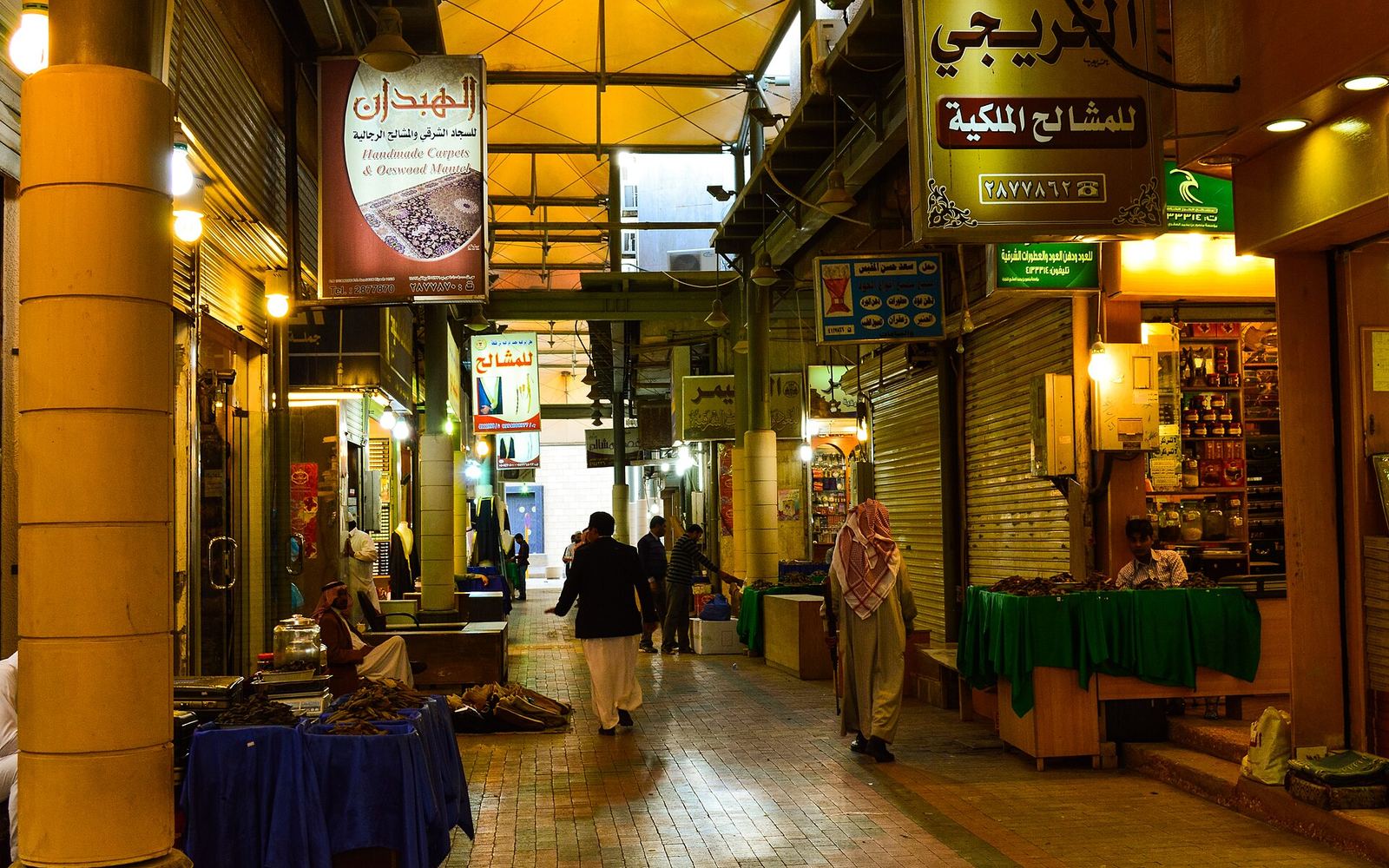
The currency is the Saudi riyal (SAR), pegged at about 3.75 to the US dollar. Cards and phone payments are accepted almost everywhere, including taxis and small cafes, thanks to the local mada network. Carry a little cash for souqs, rural petrol stations and tips. ATMs are widespread. VAT is 15% and usually included in prices. Tipping is not expected, but rounding up or leaving around 10% in restaurants is appreciated.
What to wear
There is no legal requirement for foreign women to wear an abaya or headscarf, but modest dress is expected: cover shoulders and knees, and avoid tight or see-through clothing. Men should avoid shorts above the knee in public places such as souqs and government buildings. Women cover their hair in mosques. Swimwear is fine at hotel pools and resort beaches. More detail in what to wear in Saudi Arabia.
Laws and etiquette
- Alcohol is illegal for visitors, and importing it or pork products is banned.
- Drugs carry extremely severe penalties, including for small amounts.
- Public behaviour: avoid public displays of affection, swearing and rude gestures, including online. Criticising the government, the royal family or religion can be prosecuted.
- Photography: do not photograph people, especially women, without permission, or government, military and security sites. Drones need a permit.
- Unmarried foreign couples can share a hotel room.
- Same-sex relationships are illegal; LGBT+ travellers should be very discreet.
Prayer times and Ramadan
The call to prayer sounds five times a day. Some shops may close briefly at prayer times, so plan around them. During Ramadan, do not eat, drink or smoke in public in daylight. Friday is the holy day; the weekend is Friday and Saturday, and some sites open only in the afternoon on Fridays.
Practical details
- Time: UTC+3 all year.
- Language: Arabic; English is widely spoken in cities, hotels and tourist sites. Learn a few Arabic phrases.
- Tap water is desalinated and treated, but most people drink bottled water.
- Emergency numbers: 911 in the main regions, 997 ambulance, 998 civil defence, 993 traffic police.
- Safety: crime against tourists is low, but follow security alerts and avoid areas near the Yemeni border. See Is Saudi Arabia safe?
Frequently asked questions
Do women have to wear an abaya in Saudi Arabia?
No. Foreign women are not required to wear an abaya or headscarf, but should dress modestly, covering shoulders and knees. Hair should be covered in mosques.
Can I drink alcohol in Saudi Arabia?
No. Alcohol is illegal for visitors and may not be brought into the country.
What plug sockets does Saudi Arabia use?
Mainly UK-style three-pin type G sockets at 230 V. Bring an adapter if your devices use another plug.
Can I pay by card in Saudi Arabia?
Yes, almost everywhere, including taxis and small shops. Carry a little cash for souqs and remote areas.
Some links on this page are affiliate links. If you book through them we may earn a small commission at no extra cost to you. Learn more.